
Train Game: Designing Atmospheric Rail Journeys & Alpine Viaduct Environments
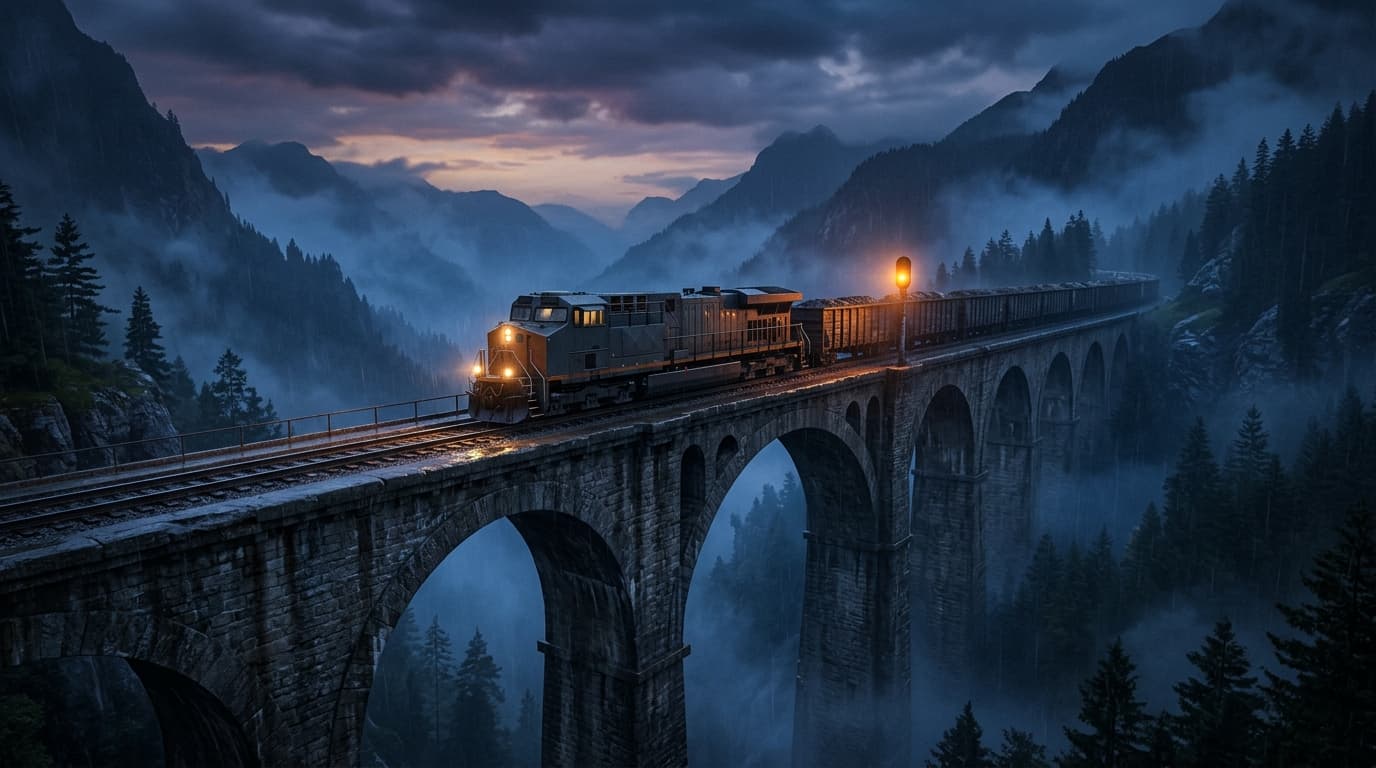
“A deep-dive into the aesthetic philosophies, scenic scale, and intended Android engineering principles guiding our upcoming railway simulation project.”
The Atmosphere of Rail Travel
Railways occupy a unique space in human imagination. Unlike road vehicles that demand constant micro-steering or aircraft operating detached from the earth, trains possess an immovable relationship with the topography they traverse. A train cannot deviate from its rails; it must negotiate the mountain passes, steep gradients, and sweeping curves that landscape architects surveyed centuries ago.
This fundamental characteristic creates a distinct contemplative rhythm. When sitting in the cab of a locomotive, time stretches. The steady metallic cadence of steel wheels meeting rail joints, the rhythmic thrum of diesel engines under heavy load, and the slow, magnificent reveal of deep alpine valleys evoke a sensory weight rarely captured in conventional mobile gaming. In Train Game, our creative focus begins with this atmosphere: capturing the meditative majesty of the iron road.
1. Designing the Landscape
A convincing railway simulation cannot simply drop track splines across generic heightmaps. Real railways follow the path of least mechanical resistance, tracking natural river contours, hugging cliff edges, and threading narrow gorges. Our environmental concept studies focus on rugged alpine routes inspired by European and high-altitude transcontinental corridors.
Our design goal is to establish visual rhythm. Long stretches of narrow rock cuttings open suddenly onto dramatic ridgelines; dense pine forests give way to windswept glacial plateaus. By varying elevation profiles, ambient moisture, and horizon vistas, we aim to make every kilometer of track feel earned and memorable.
2. The Role of the Viaduct
Few structures evoke architectural wonder quite like a massive railway viaduct. Spanning steep ravines on towering stone or concrete piers, a viaduct elevates a train literally and figuratively above the landscape, dramatizing the sheer scale of the natural world against human engineering.
In our featured concept artwork, a heavy freight consist traverses a multi-arch alpine viaduct at dusk. This visual study serves as our aesthetic North Star. The viaduct establishes scale, depth, and verticality—drawing the player's eye from the roaring riverbed far below up to the solitary locomotive headlight piercing the alpine gloom. It reminds the player that navigating heavy machinery through mountainous terrain is a delicate balance of mechanical power and geological respect.
3. Light, Weather, and Atmosphere
Lighting is not merely cosmetic in railway operations; it dictates visibility, operational tension, and emotional tone. We are directing our visual research toward transitional lighting conditions—twilight, early dawn, low-altitude mist, and sudden mountain downpours.
Under our intended artistic workflow, real-time lighting highlights the physical contrast between cold steel, wet ballast, weathered masonry, and warm sodium signal lamps. Low-angled sunlight skimming across wet rails provides immediate visual feedback regarding track gradient and railhead moisture, reinforcing the player's immersion without cluttering the screen with unnecessary UI widgets.
4. Railway Authenticity and Player Feedback
Authenticity in simulation does not require overwhelming complexity; it requires readable, credible cause-and-effect. When a player opens the throttle on a 3,000-ton freight consist on a 1.8% uphill grade, the response should feel heavy, deliberate, and physically grounded.
Our engineering goals center on intuitive mechanical feedback: the tactile sensation of traction motor strain, the audible hiss of air-brake equalization, and the delicate management of throttle notches to avoid wheel slip on wet gradients. We want players to feel the momentum and inertia of heavy rolling stock through responsive on-screen telemetry and rich, resonant audio cues.
5. Designing for Android
Bringing an atmospheric simulation to Android devices requires disciplined engineering from day one. High-fidelity visuals mean nothing if frame rates stutter or battery consumption prevents an enjoyable commute session.
Our intended mobile architecture prioritizes asset streaming budgets, shader optimization, and clean control ergonomics. Touch interfaces demand uncluttered HUD layouts where primary brake and throttle controls can be adjusted with natural thumb sweeps, leaving the vast majority of the screen open to appreciate the scenic landscape. Performance optimization and device memory profiling are foundational pillars of our ongoing production schedule.
6. Art Tools and Production Workflow
Our creative pipeline leverages Unreal Engine for real-time environment assembly, dynamic sky modeling, and shader prototyping, complemented by Blender for bespoke 3D rolling stock and track infrastructure modeling.
Blender allows us to model authentic locomotive chassis, bogies, coupler mechanisms, and brake gear with high geometric fidelity, which are subsequently textured and optimized for real-time mobile rendering budgets. This workflow gives our small team the agility to iterate quickly on vehicle aesthetics while maintaining strict polycount and draw-call budgets.
7. Current Project Status
To maintain transparent expectations with our community and platform partners, we emphasize the current status of the project: Train Game is an internal working title for a railway experience in active development. Android (via Google Play) is our intended launch target, with a planned release year of 2027.
The game is not yet released, and this planned release timeline represents an active studio development milestone rather than a commercial guarantee. No live store listings or pre-order pages are currently active. Verified updates and development previews will be published exclusively through our official website dispatches.
Conclusion — Looking Ahead to the Iron Road
Train Game represents our studio's commitment to thoughtful, atmospheric interactive design. As development continues, we look forward to sharing further technical breakdowns, locomotive modeling showcases, and environmental studies. We invite players, railway enthusiasts, and fellow creators to follow our progress as we forge this experience step by step.
Train Game
Atmosphere, mechanical precision, and the majesty of the iron road.